If you picture Chelsea as just a place to visit for an afternoon walk, you are only seeing part of the story. Living near the High Line means being close to one of Manhattan’s most recognizable public spaces while also navigating real day-to-day questions about housing, transit, noise, building type, and value. If you are thinking about buying, renting, or selling in this part of Chelsea, understanding how the area actually lives can help you make a smarter move. Let’s dive in.
Why the High Line Shapes Chelsea Living
The High Line is a 1.45-mile elevated rail line turned public park that runs from Gansevoort Street to West 34th Street between 10th and 11th Avenues. It is more than a scenic path. It also hosts free and low-cost public programs, tours, family activities, volunteer opportunities, and art, which gives this stretch of Chelsea a steady rhythm of local use and visitor traffic.
For many buyers and renters, that is the draw. You get direct access to a well-known public space and a built-in sense of neighborhood energy. Access points at 14th, 16th, and 23rd Streets make it easy to use the park as part of your normal routine, whether that means a morning walk, meeting friends, or heading north toward Hudson Yards.
West Chelsea Has a Distinct Feel
Living near the High Line often means living in West Chelsea, which has a different texture than eastern parts of the neighborhood. This section of Chelsea grew out of former industrial blocks that later became home to art galleries, loft spaces, restaurants, and nightlife. Over time, it became one of the city’s best-known gallery districts.
The core gallery zone is generally centered between West 19th and West 27th Streets, between 10th and 11th Avenues. If you live nearby, that means your surroundings can feel visually interesting and culturally active, with a strong mix of converted buildings and newer residential development. It also means more foot traffic in certain pockets, especially near major High Line access points and gallery-heavy blocks.
What Daily Life Feels Like Near the High Line
Chelsea is lively, dense, and active. Near the High Line, your day-to-day experience is often shaped by public space, restaurants, art, and the waterfront more than by a quiet residential-only feel. That mix is a big reason people choose the area.
The High Line is only part of the outdoor appeal. Hudson River Park adds another major layer to life on the west side of Chelsea, with the neighborhood section stretching from West 17th to West 34th Streets.
Hudson River Park Expands Your Backyard
If you live near the High Line, you are also close to a substantial waterfront park system. In Chelsea, that includes Chelsea Piers, Chelsea Waterside Park, Pier 62, Pier 63, Pier 64, Pier 66a, and Pier 66. This gives the neighborhood a more outdoor-oriented feel than many Manhattan buyers expect.
Chelsea Waterside Park includes a playground, dog park, athletic field, basketball court, picnic area, public restroom, and expanded plantings. Pier 62 adds a carousel, skatepark, lawn, and river views. Chelsea Piers brings together golf, rock climbing, field sports, ice skating, fitness, bowling, event spaces, and a marina, while Pier 66a contributes a seasonal dining option on the waterfront.
The Neighborhood Is Broader Than Its Image
It is easy to think of this area as all galleries and luxury condos, but the lifestyle mix is broader. Chelsea Recreation Center adds practical neighborhood value with a pool, courts, a dance studio, an arts and crafts room, and youth and senior programming. That helps explain why Chelsea works for a wide range of people looking for a full-time home, not just a weekend destination.
Housing Near the High Line
One of the most important things to understand about Chelsea is that the housing stock changes block by block. The area near the High Line is not uniform, and that matters whether you are renting, buying, or preparing to sell. Building type can affect everything from your monthly costs to your approval process to your resale audience.
West Chelsea and the High Line Corridor
Near the High Line, you will generally see more loft conversions, gallery-adjacent buildings, and newer full-service condos. The rezoning of the Special West Chelsea District helped create room for new residential development on former industrial land, which is a big reason this corridor now has such a varied built environment. On one block, you may find a converted loft building. On the next, a newer condo tower with a very different ownership structure and amenity package.
This variety is part of the appeal. It can also make your search more complex, because two homes at similar price points may offer very different living experiences, monthly carrying costs, and long-term flexibility.
East and Central Chelsea
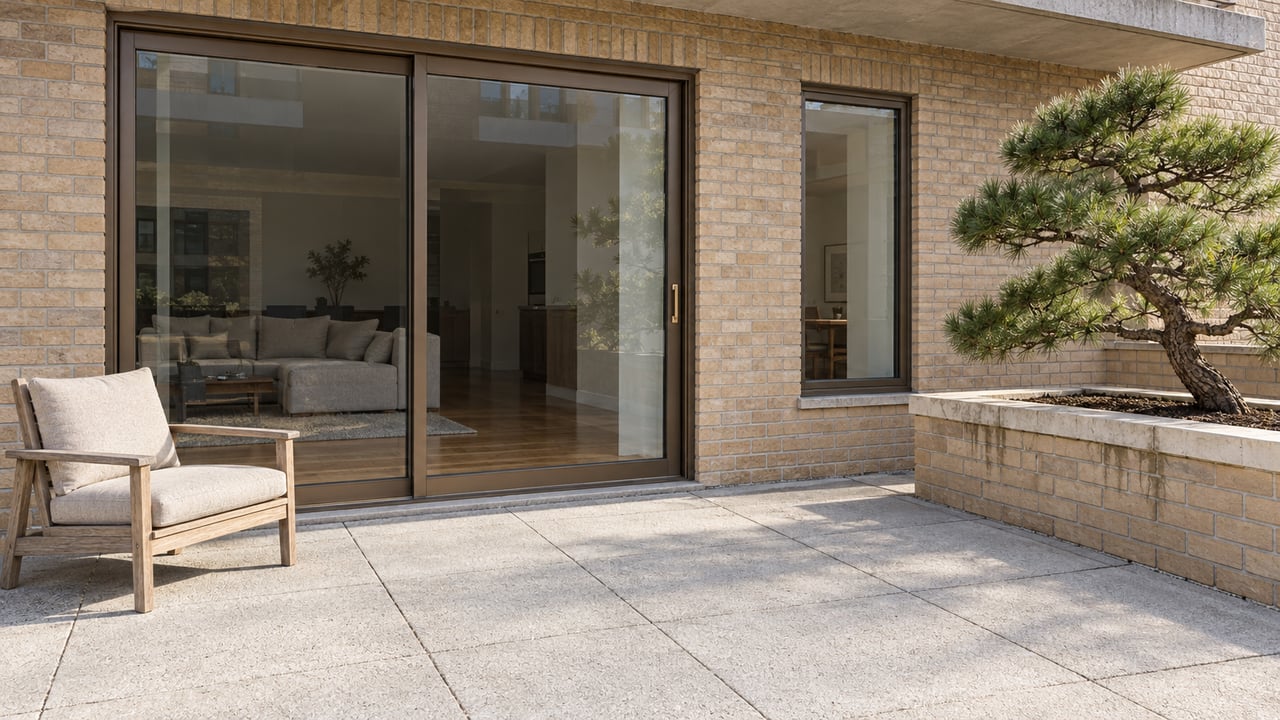
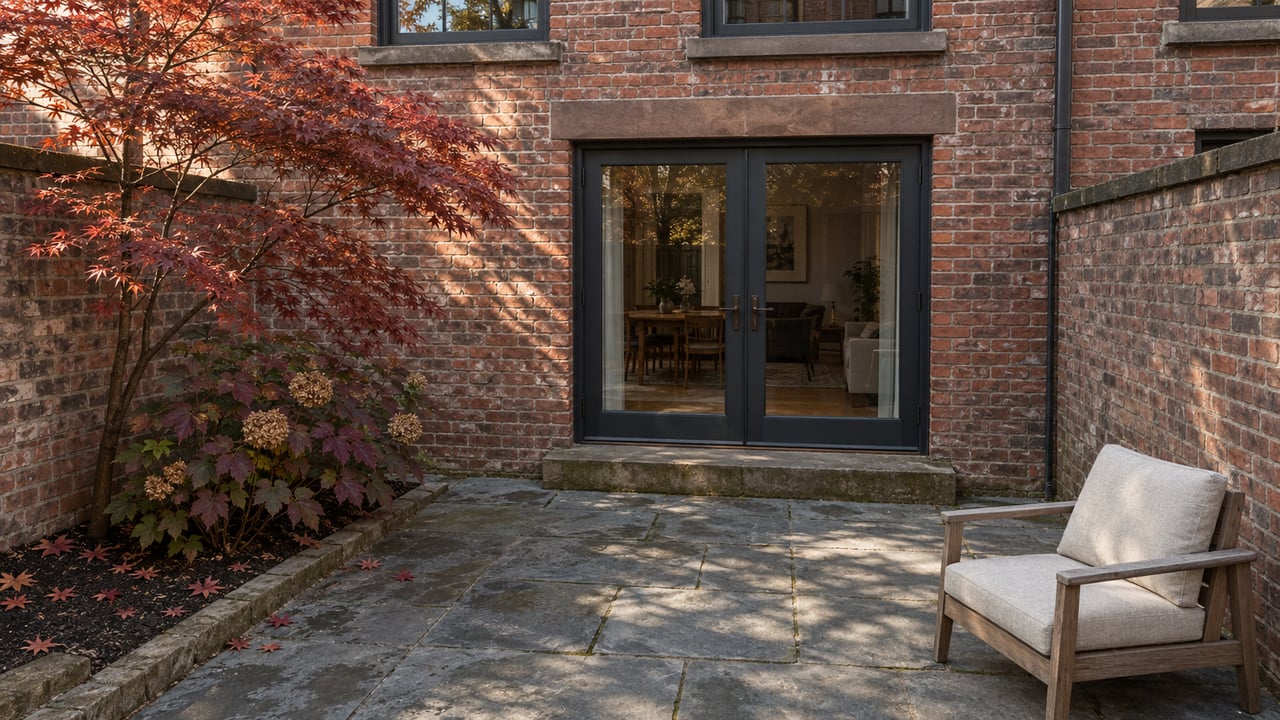
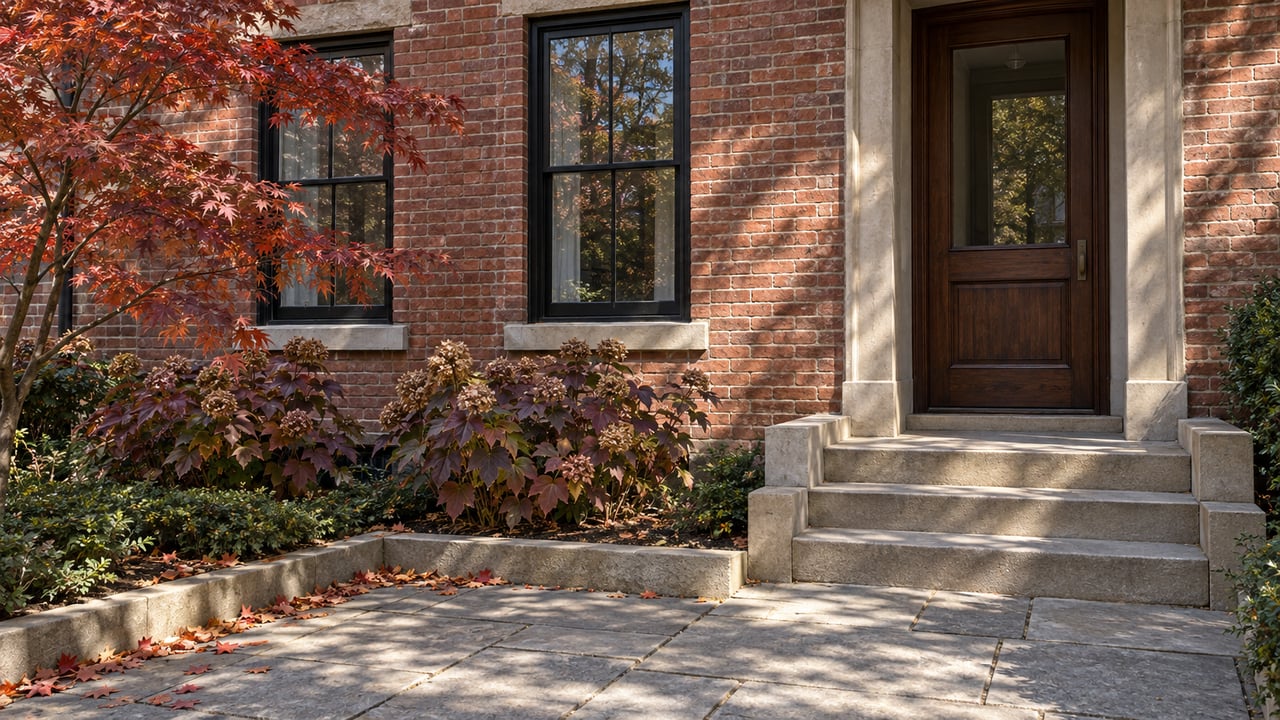
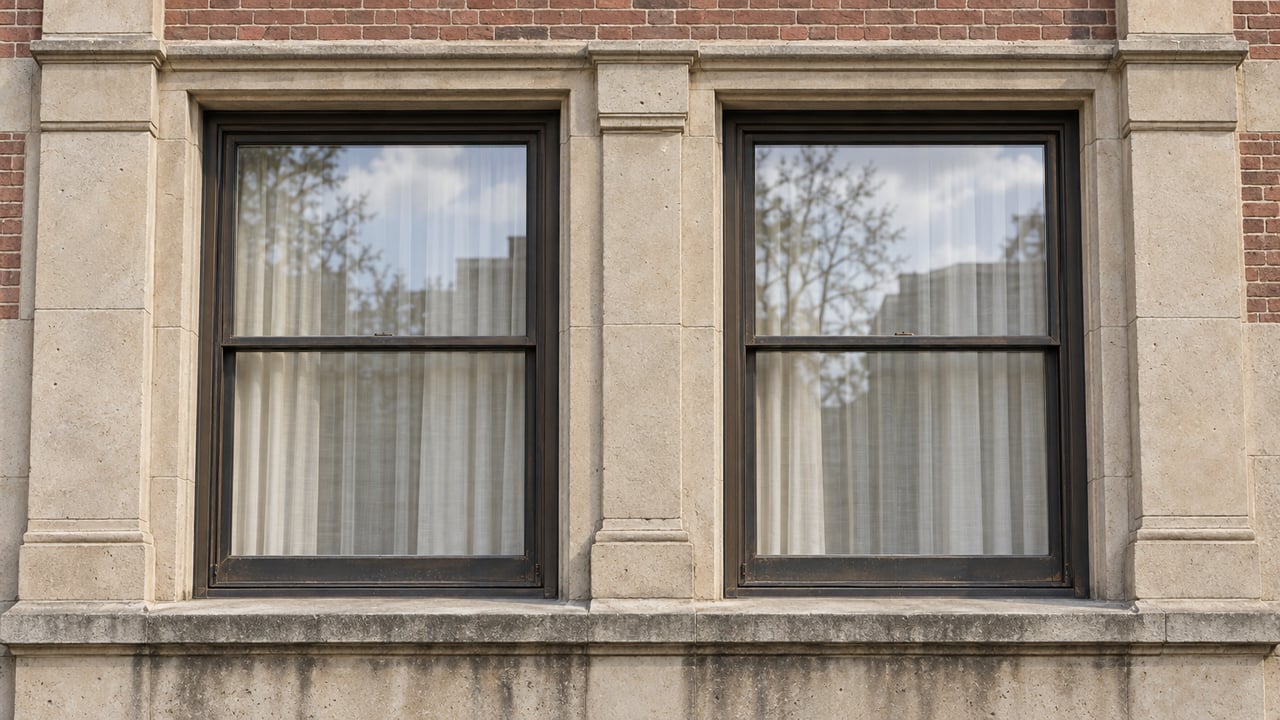
As you move east and into more central parts of Chelsea, the housing mix shifts. You are more likely to see prewar co-ops, older elevator buildings, and townhouse blocks. These homes can offer a different feel from newer west-side inventory, often with more traditional layouts and building rules that differ from condo structures.
For buyers, that means the condo-versus-co-op decision is especially important in Chelsea. For sellers, it means your building type helps shape pricing, buyer pool, timing, and preparation strategy.
Riverfront Edge Living
On the riverfront side of Chelsea, the lifestyle leans more heavily into access to parks, piers, recreation, and open views. That public-realm energy can be a major advantage if you want outdoor access close to home. At the same time, it is smart to weigh how much you value that setting compared with easier subway access farther east.
Transit Tradeoffs to Know
One of the most practical things about living near the High Line is also one of the most overlooked. Chelsea is wide, and the farther west you go, the more likely you are to trade some subway convenience for park and river access. For some people, that trade is absolutely worth it. For others, it becomes a daily pain point.
Transit is strongest around the east and central edges of the High Line and gallery district. Depending on the exact block, nearby options can include the A, C, L, 1, 2, and 3 trains, along with the C at 23rd Street and the 1 at 18th or 23rd Street. Bus service in the area includes the M11, M12, M14A, and M23.
If you are deciding between several Chelsea addresses, this is where block-level analysis matters. Two apartments can both be described as “near the High Line,” but one may offer a much easier daily commute than the other.
Pricing and Market Position in Chelsea
Chelsea sits firmly in Manhattan’s premium tier, but exact pricing depends on the source and the type of housing being measured. Recent market snapshots show a median listing price of about $1.975 million on one platform, while another reports a median sale around $1.3 million and median base rent around $5,500. The difference reflects different methodologies, which is common in New York neighborhood data.
The practical takeaway is simpler. In Chelsea, asking prices often begin in the high six figures for smaller resale units and rise into the multi-million-dollar range for larger homes or newer High Line product. Current examples also show rentals and sales spanning a wide range, which reinforces how much building type, condition, size, and exact location shape value here.
Compared with nearby West Side neighborhoods, Chelsea often lands in a useful middle position. It can offer a blend of newer condo inventory, classic Manhattan housing stock, and strong lifestyle appeal without feeling exactly like Hudson Yards, Flatiron, Greenwich Village, or the West Village.
What Buyers and Renters Should Watch Closely
If you are considering Chelsea living near the High Line, a few practical details deserve extra attention.
Foot Traffic and Activity Levels
Tourist energy is part of the area’s appeal, but it is still something to think through carefully. The High Line and gallery corridor draw steady foot traffic, especially near 14th Street, 23rd Street, and blocks in the West 20s. If you like a lively setting, that may feel exciting. If you want a quieter experience, the exact placement of your building matters.
Building Rules and Ownership Structure
Chelsea has a broad mix of prewar co-ops, condos, loft conversions, and newer towers. Those categories can come with very different ownership, financing, rental, and approval rules. In this neighborhood, building-level due diligence is not a side issue. It is a core part of making a smart decision.
Lifestyle Fit Over Buzz
The High Line is a major draw, but your long-term happiness usually comes down to daily fit. Think about how often you will use the park, how you commute, what kind of building you prefer, and whether you want a more gallery-focused west-side setting or a more traditional central Chelsea feel. The best Chelsea choice is not always the flashiest one. It is the one that fits how you actually live.
Why Sellers Benefit From a More Nuanced Strategy
If you are selling near the High Line, your home is entering a market where buyers compare not just price and size, but also building type, amenities, transit convenience, and lifestyle positioning. A newer condo near the park is marketed differently from a prewar co-op farther east or a loft conversion in the gallery district. That is why neighborhood fluency matters.
This is also a part of Manhattan where presentation can shape first impressions quickly. Buyers often have strong expectations about layout, light, finishes, services, and proximity to the High Line or waterfront. A thoughtful prep and pricing strategy can help position your home more clearly in a competitive Chelsea landscape.
If you are trying to make sense of where Chelsea fits into your search or sale, a calm, building-specific approach usually beats broad neighborhood assumptions. For tailored guidance on buying, selling, or renting in Manhattan, connect with Bobby Rehani.
FAQs
What is it like to live near the High Line in Chelsea?
- Living near the High Line usually means easy access to a major public park, nearby galleries, restaurants, and the Hudson River waterfront, along with more foot traffic and a lively street atmosphere in certain blocks.
What types of homes are common near the High Line in Chelsea?
- Near the High Line, you will often find loft conversions, gallery-adjacent buildings, and newer full-service condos, while eastern and central Chelsea tend to have more prewar co-ops, older elevator buildings, and townhouse blocks.
Is transit convenient near the High Line in Chelsea?
- Transit can be convenient, but it depends heavily on the block, since Chelsea is wide and some western areas are farther from the subway even though they offer stronger park and river access.
Are homes near the High Line in Chelsea expensive?
- Chelsea is generally in Manhattan’s premium price tier, with asking prices often starting in the high six figures for smaller resale units and reaching into the multi-million-dollar range for larger or newer High Line homes.
What should buyers check before purchasing in Chelsea?
- Buyers should look closely at building type, ownership rules, financing requirements, monthly costs, transit access, and how the exact block’s activity level fits their daily lifestyle.
Why does building type matter in Chelsea real estate?
- Building type matters because a co-op, condo tower, and loft conversion can each have different approval processes, rental policies, financing considerations, and resale dynamics.