If you are choosing between the East Village and West Village, a few blocks can make a very real difference in how you live every day. Both neighborhoods sit in downtown Manhattan, but they offer different rhythms, housing choices, and price points. If you want to understand which one fits your routine, budget, and long-term goals, this guide will help you compare them clearly. Let’s dive in.
East Village vs West Village at a glance
The East Village and West Village are adjacent, but they sit in different Manhattan community districts. The East Village is part of Community Board 3, while Greenwich and West Village are part of Community Board 2.
That distinction matters because each neighborhood has developed a different identity over time. City materials describe Community Board 2 as shaped by activism, unique architecture, an active artistic community, and cultural diversity. Community Board 3 notes especially strong income diversity, and city planning materials describe the East Village as a medium-density residential area with mixed-use buildings and outdoor green space.
In simple terms, the East Village tends to feel more energetic and visibly eclectic. The West Village tends to feel quieter, more polished, and more residential.
Housing in the East Village
If you picture classic prewar Manhattan, the East Village often matches that image. Older walk-ups dominate the housing stock, and newer condos are less common.
You will see plenty of tenement-era buildings, red-brick apartment houses, and exterior fire escapes. The East Village and Lower East Side Historic District covers about 325 buildings, which helps preserve the neighborhood’s low-rise feel.
For renters and buyers, that usually means studios, one-bedrooms, and older low-rise apartments make up much of the inventory. Some homes may need renovation, which can appeal to buyers who value character and are comfortable taking on updates.
Housing in the West Village
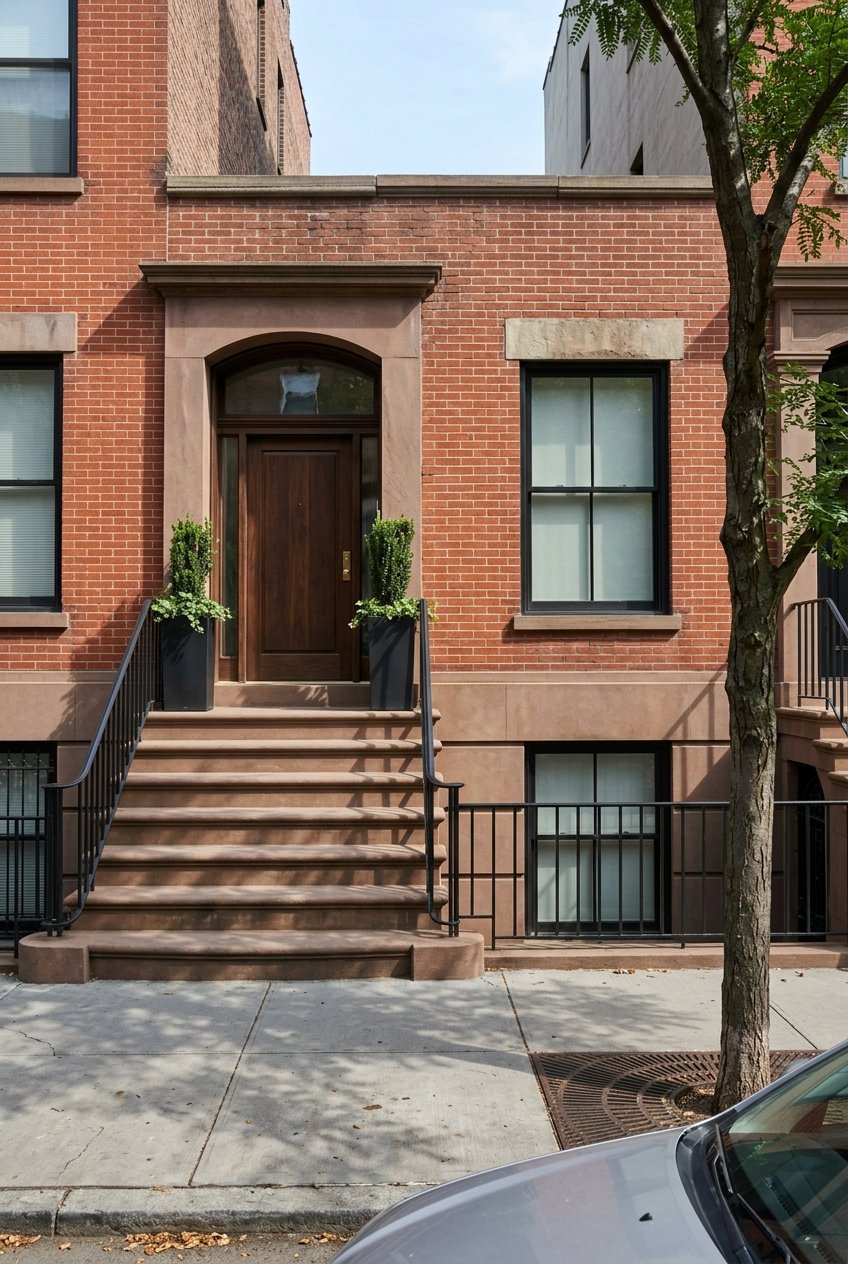
The West Village has a different architectural feel. Historic townhouses and walk-ups define much of the housing stock, with low-rise building types tied to the area’s long preservation history.
The Greenwich Village Historic District, first designated in 1969, remains the largest historic district in New York City. It spans more than 2,000 buildings across 65 blocks, and the district extension includes Federal- and Greek Revival-era rowhouses on streets such as Charles and Washington.
In practice, you will still find studios, one-bedrooms, walk-ups, and some small-format rentals here. But the West Village often attracts buyers and renters who are specifically paying for landmark character, picturesque blocks, and a highly preserved streetscape.
Price expectations in both neighborhoods
Budget is one of the clearest differences between the two. Current StreetEasy neighborhood snapshots show median asking levels around $913,000 for sales and $4,500 for rent in the East Village, compared with about $1.5 million for sales and $5,495 for rent in the West Village.
These figures are snapshots, not fixed pricing rules. Still, they are useful for setting expectations if you are starting your search.
The broader affordability context also supports that gap. Community Board 3 reports a second-quarter 2025 median asking rent of $4,425 and notes pressure on affordability in the district, with a severe rent-burden rate of 23.9% among renter households and a 15% homeownership rate in 2023.
For many renters and first-time buyers, the East Village may offer a slightly lower entry point. The West Village, by contrast, tends to command a premium for its historic charm, quieter streets, and highly sought-after location.
Outdoor space and daily routine
Your neighborhood experience is not just about the apartment. It is also about where you walk, recharge, and spend time outside.
Tompkins Square Park in the East Village
Tompkins Square Park is the East Village’s main open-space anchor. NYC Parks lists it as a 10.5-acre park with playgrounds, handball courts, chess tables, basketball courts, dog-friendly areas, outdoor pools, fitness equipment, public restrooms, spray showers, and Wi-Fi hotspots.
The park also has a strong cultural identity. NYC Parks highlights its history with events such as Wigstock, the Howl Festival, and the Charlie Parker Jazz Festival.
That helps explain why the East Village often feels greener and more community-oriented than people expect from its dense street grid. Community gardens also remain fairly common, adding to that neighborhood texture.
Washington Square Park and the West Village
Washington Square Park is the best-known outdoor anchor near the West Village. NYC Parks lists it as a 9.75-acre neighborhood park with dog-friendly areas, eateries, great trees, playgrounds, public restrooms, spray showers, and Wi-Fi hotspots.
Daily life in the West Village also connects to scenic streets and the Hudson River Greenway. If your ideal routine includes quieter walks, landmarked blocks, and riverfront access, the West Village may feel especially appealing.
Dining, nightlife, and neighborhood energy
One of the biggest lifestyle differences comes down to pace. Even though the neighborhoods are close together, they can feel very different after work and late at night.
East Village energy and culture
The East Village is still the more nightlife-oriented of the two. StreetEasy describes a mix of old-school grit, graffiti, plentiful dining options, tattoo parlors, community gardens, punk-rock references, and venues like Webster Hall.
St. Mark’s Place is another key part of that identity. A city release describes this East 8th Street corridor as a stretch known for capturing the East Village’s creative spirit.
The neighborhood also carries visible traces of immigrant history, including places like Veselka and the Russian & Turkish Baths. That blend of history, food, music, and constant movement is a big part of why the East Village feels lived-in and evolving.
West Village charm and street life
The West Village is quieter, but it is not sleepy. It still has a strong restaurant and street-life identity, with corridors like West 4th Street helping shape the local experience.
The neighborhood’s identity also goes beyond dining. City and preservation sources emphasize architecture, activism, and LGBTQ+ history through places tied to Stonewall Inn, Christopher Street, and Gay Street.
If you value a neighborhood that feels rooted in historic character and civic memory, the West Village offers that in a very visible way. For many people, that is part of what makes it worth the premium.
Which neighborhood may fit you better?
If you are deciding where to rent or buy, it helps to think about your daily habits, not just listing photos. The right choice is usually the one that aligns with how you actually want to live.
East Village may be a better fit if you want:
- A more energetic, active neighborhood feel
- Older apartment stock with classic prewar details
- Late-night dining and a stronger nightlife presence
- A slightly lower price point than the West Village
- A neighborhood identity that feels creative and constantly changing
West Village may be a better fit if you want:
- Quieter residential blocks
- Historic charm and preserved architecture
- Townhouse-lined streets and a more polished atmosphere
- Scenic walking routes and access to the Hudson River Greenway
- A neighborhood where buyers and renters often pay more for character and location
A smart way to compare the two
When clients compare these neighborhoods, the most helpful approach is to balance lifestyle fit with financial clarity. A lower starting price in the East Village may create more flexibility, while a higher purchase or rental cost in the West Village may be worthwhile if the setting better matches your priorities.
It is also important to look closely at the building type and apartment condition in each area. In both neighborhoods, many homes are in older low-rise buildings, so factors like layout, renovation needs, and long-term carrying costs can matter just as much as the address.
If you are buying, that kind of side-by-side analysis becomes even more important. Comparing co-op or condo options, expected monthly costs, and future resale appeal can help you move from a vague neighborhood preference to a confident decision.
In the end, the East Village and West Village are close in geography but far apart in feel. The East Village tends to offer more energy, more edge, and a slightly more attainable entry point, while the West Village tends to offer more quiet, more preservation, and a higher-cost but deeply distinctive downtown lifestyle.
If you are weighing where to rent, buy, or eventually sell in Manhattan, working with a local advisor can make the tradeoffs much easier to see. If you want guidance grounded in neighborhood knowledge and financial clarity, connect with Bobby Rehani.
FAQs
What is the main difference between living in the East Village and West Village?
- The East Village generally feels more energetic, eclectic, and nightlife-oriented, while the West Village is usually quieter, more polished, and more defined by historic streetscapes.
Is the East Village more affordable than the West Village?
- Based on current neighborhood snapshots in the research, the East Village typically has lower median asking sale and rent levels than the West Village, though both neighborhoods are expensive and pricing can vary by building and condition.
What types of homes are common in the East Village?
- The East Village is known for older walk-ups, tenement-style apartments, red-brick buildings, and low-rise prewar housing, with newer condos appearing less often.
What types of homes are common in the West Village?
- The West Village is known for historic townhouses, walk-ups, rowhouses, and older low-rise buildings, with many homes located in highly preserved historic blocks.
Which park serves as the main outdoor space in the East Village?
- Tompkins Square Park is the East Village’s central open space and includes amenities such as playgrounds, courts, dog-friendly areas, pools, fitness equipment, and Wi-Fi hotspots.
Which park is a major outdoor anchor near the West Village?
- Washington Square Park is a major neighborhood park near the West Village and offers dog-friendly areas, playgrounds, trees, public restrooms, spray showers, and Wi-Fi hotspots.
Is the East Village or West Village better for nightlife?
- The East Village is generally the stronger fit if nightlife, late-night dining, and a more active street scene are high on your list.
Is the West Village a good choice if you want historic character?
- Yes. The West Village is especially known for landmarked streets, preserved architecture, and townhouse-lined blocks that appeal to people who prioritize historic charm.