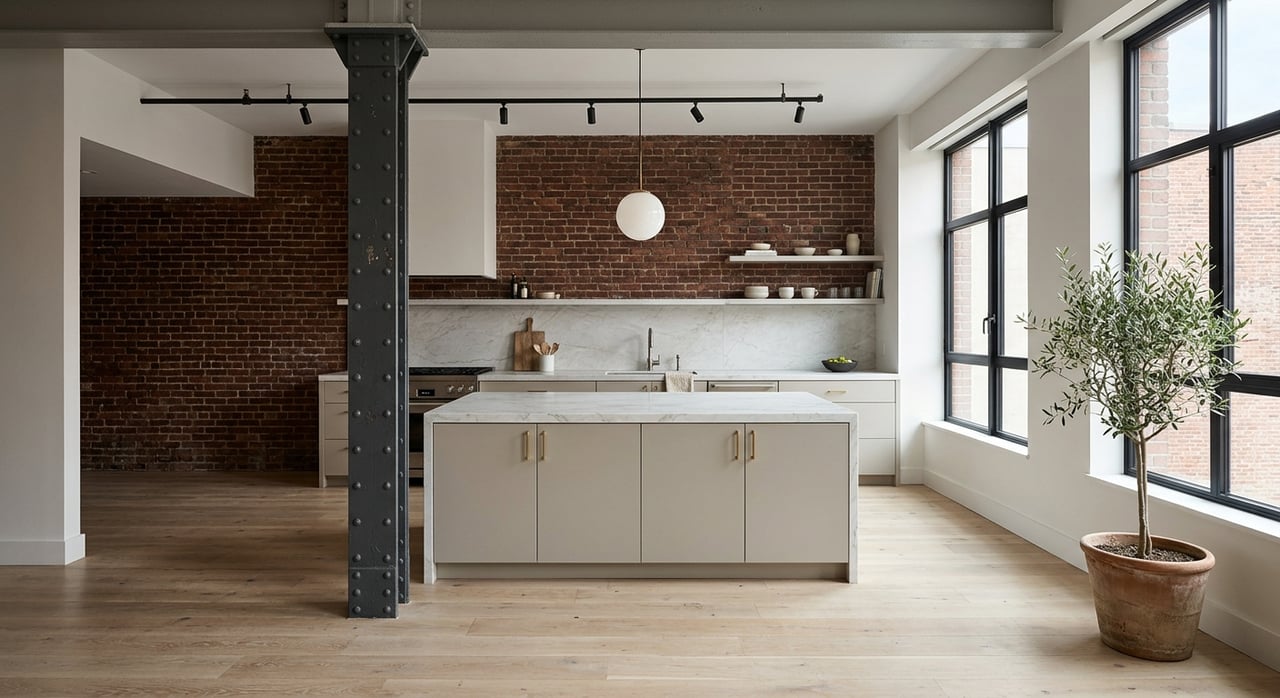
If you are drawn to Tribeca, you are probably choosing between two very different lifestyles: the character of a true loft or the ease of a full-service condo. Both can be exceptional, but they solve different problems for different buyers. This guide will help you understand how Tribeca loft living compares with condo options, what drives value here, and what to look at before you make a move. Let’s dive in.
Why Tribeca Feels Different
Tribeca’s identity is closely tied to its 19th-century warehouse and store-and-loft buildings. Many of the neighborhood’s best-known homes come from buildings that were originally designed with large open interiors for storage, sales, and later, flexible living.
That history still shapes the way Tribeca lives today. In practical terms, you often see bigger floor plates, floor-through layouts, and homes that feel more open and adaptable than a typical apartment layout elsewhere in Manhattan.
What Loft Living Means in Tribeca
In Tribeca, a loft usually offers volume, flexibility, and original architectural character. Buyers are often looking for high ceilings, large windows, open layouts, exposed brick, wood beams, steel columns, or some mix of these features.
That is why bedroom count does not always tell the full story here. A loft can feel much larger in daily life because of ceiling height, light, and the ability to shape the space around how you actually live.
Space Often Comes First
Current loft inventory in Tribeca shows why this property type stands out. Listings include homes around 2,000 square feet and above, along with some much larger residences, including a 4,000-square-foot co-op example on Worth Street.
For many buyers, that means you are not just buying square footage. You are buying flexibility for a home office, a media area, a larger entertaining space, or a layout that can evolve over time.
Original Details Add Personality
Authentic lofts are often marketed around details that are hard to recreate. Towering ceilings, grand windows, exposed brick, and original structural elements can give a home a sense of place that feels very specific to Tribeca.
That character can be a major advantage if you want something distinctive. It can also make side-by-side comparisons harder, because two homes with similar dimensions may feel completely different in person.
Layouts Can Be More Adaptable
One of the biggest appeals of a loft is the sense that it acts like a blank canvas. Some Tribeca lofts are openly described as having layouts that can accommodate multiple bedroom configurations, which speaks to their adaptability.
If your needs may change over the next several years, this flexibility can matter. A home that works today as a sprawling one- or two-bedroom may also support a different setup later, depending on the building and layout.
What Condo Living Offers Instead
If lofts are about character and openness, Tribeca condos are often about service, convenience, and amenities. Newer condo buildings in the neighborhood tend to offer a more structured residential experience, often with full-time staff and a longer amenity list.
That difference is easy to see in prominent condo buildings across the neighborhood. Inventory at buildings like 30 Park Place, 56 Leonard, and 101 Warren reflects a full-service approach that can include concierge, doorman service, elevators, fitness spaces, pools, playrooms, lounges, package rooms, storage, and outdoor areas.
Amenities Can Change Daily Life
For some buyers, amenities are not extras. They are part of how the home functions every day.
A building with a staffed lobby, package handling, fitness areas, or a pool can reduce friction and add convenience. If you travel often, work long hours, or simply want a more managed experience, a condo may feel easier to live in than a loft conversion with fewer building services.
Newer Condos May Feel More Predictable
A new-construction or modern condo often appeals to buyers who want cleaner lines, floor-to-ceiling windows, and a more standardized living experience. You may give up some historic texture, but you often gain a building setup that feels more turnkey.
That can matter if you want fewer unknowns. In Tribeca, older loft buildings may carry more architectural individuality, while newer condos may offer a more predictable service model and amenity package.
Loft vs. Condo in Tribeca
Here is the practical difference many buyers are really weighing:
| Option | Often Prioritizes | Typical Appeal |
|---|---|---|
| Loft | Space, ceiling height, original details, layout flexibility | Buyers who want character and a one-of-a-kind home |
| Condo | Services, amenities, convenience, newer finishes | Buyers who want ease, staffing, and a more turnkey experience |
Neither path is automatically better. The right choice depends on whether you care more about architectural personality or building support and convenience.
What Drives Value in Tribeca
Tribeca is a high-priced market with relatively limited transaction volume. Recent reporting showed a median sale price near $3.9 million over the three months ending April 2026, while another April 2026 snapshot showed a median sale price of $3.4 million with only 11 transactions, which is a reminder that small sample sizes can affect neighborhood data.
That is why pricing here is especially property-specific. Broad market numbers help with context, but the individual features of a home often have an outsized impact on value.
Features Buyers Pay Up For
In Tribeca, the strongest value drivers tend to be the hardest to duplicate:
- Ceiling height
- Natural light
- Original architectural details
- Flexible layouts
- Terrace or outdoor space
- Views
- Parking or storage
- Service level and amenities
This is one reason two homes with similar square footage can price very differently. A true loft with exceptional volume and character may compete on a different level than a more conventional apartment, while a luxury condo may command pricing based on staffing, amenities, and convenience.
Ownership Rules Matter Early
In Tribeca, it is especially important to separate condo and co-op ownership from the beginning. A condo owner holds title to the unit plus an undivided interest in the common elements, while a co-op buyer purchases shares in a corporation and receives a proprietary lease.
That distinction affects not just ownership structure, but also how you evaluate monthly charges, building rules, and the overall purchase process. In a neighborhood where both lofts and condos can be highly specialized, clarity up front saves time.
Read the Offering Plan Carefully
For new construction or conversions, the offering plan is a key document because it sets out what the sponsor is obligated to deliver. The New York State Attorney General advises buyers to read the full offering plan and consult an attorney before signing.
That step matters in Tribeca because the gap between expectation and reality can be meaningful when you are buying into a distinctive building or a newly delivered product.
Historic District Rules Can Affect Loft Buyers
One of the biggest practical differences in Tribeca is preservation oversight. Many buildings sit within historic districts, and the Landmarks Preservation Commission requires approval before most exterior changes on landmarked buildings or buildings in those districts.
Ordinary interior work is usually not reviewed unless it affects the exterior or a designated interior landmark. For you as a buyer, that means a landmarked loft may offer incredible architectural character, but it may also come with less flexibility for certain exterior-facing changes than an unlandmarked new-construction condo.
Property Tax Abatement Questions
If a building qualifies for New York City’s co-op and condo property tax abatement, the application is handled by the board or managing agent on behalf of the development. The unit generally must be your primary residence.
This is worth confirming early in your due diligence. In Tribeca, carrying costs can be significant, so details like monthly charges, taxes, and potential abatement treatment should be reviewed carefully, not assumed.
How To Choose the Right Fit
If you are deciding between loft living and a condo in Tribeca, start with how you want your home to feel day to day.
Choose a loft if you want:
- Architectural character
- Open space and volume
- Flexible layout potential
- A home that feels highly individual
Choose a condo if you want:
- Full-service living
- Staffed entry and package handling
- Fitness, pool, or lounge amenities
- A more turnkey ownership experience
In many cases, the decision is less about price alone and more about priorities. Tribeca rewards buyers who are clear about what matters most before they start comparing listings.
If you want a calm, informed read on how a specific Tribeca loft or condo fits your goals, monthly costs, and long-term plans, Bobby Rehani can help you evaluate the tradeoffs with local insight and financial clarity.
FAQs
What makes Tribeca loft living different from a standard condo?
- Tribeca loft living usually emphasizes larger open layouts, higher ceilings, bigger windows, and original architectural details, while standard condos often emphasize services, amenities, and a more turnkey setup.
What should Tribeca buyers know about landmark rules?
- In historic districts or landmarked buildings, most exterior changes require approval from the Landmarks Preservation Commission, while ordinary interior work is usually not reviewed unless it affects the exterior or a designated interior landmark.
What amenities are common in Tribeca condo buildings?
- Common amenities in Tribeca condo buildings can include concierge service, doormen, elevators, gyms, pools, playrooms, lounges, package rooms, storage, garages, and outdoor spaces.
What price range should buyers expect in Tribeca?
- Recent market reports cited median sale prices around $3.4 million to $3.9 million, but values can vary widely based on features like light, ceiling height, outdoor space, views, and building service level.
What is the difference between a Tribeca condo and a Tribeca co-op?
- A condo buyer owns the unit plus an interest in the common elements, while a co-op buyer purchases shares in a corporation and receives a proprietary lease, which creates a different ownership and cost structure.
Why do two Tribeca homes with similar size price differently?
- In Tribeca, pricing often changes based on factors that are hard to replicate, such as original architecture, ceiling height, light, layout flexibility, terrace space, views, storage, parking, and amenities.