If you are thinking about buying your first home in Manhattan, the Upper East Side probably comes up fast. It offers a rare mix of classic New York character, strong transit, and a more residential feel that many first-time buyers want. The key is knowing what you are really paying for, what tradeoffs come with the neighborhood, and how to judge fit beyond the headline price. Let’s dive in.
Why the Upper East Side appeals
For many first-time buyers, the Upper East Side feels familiar even before you live there. It is known for historic architecture, established residential blocks, and easy access to Central Park. Major cultural destinations, including The Met along Fifth Avenue, add to that sense of place.
The neighborhood also stands out for housing stability. NYC Health’s Upper East Side housing report shows 38.9% of households as rent burdened, 3.8% household crowding, and 4.6 court-ordered evictions per 10,000 homes in 2022. The same report notes the neighborhood falls below most others for leaks, rodents, cockroaches, and renter-occupied housing problems.
That does not mean every block or building feels the same. StreetEasy points out that many high-rise buildings can cast long shadows, which is one of the more common quality-of-life tradeoffs buyers should keep in mind. In a neighborhood like this, the building and exact location matter just as much as the ZIP code.
What first-time buyers should budget
The Upper East Side is not usually a bargain entry point into Manhattan. StreetEasy currently shows a median sale price of $1.2 million and a median base rent of $3,950, with base rent excluding fees. If you are comparing buying versus renting, those numbers help frame the conversation, but they do not tell the whole story.
Inside the neighborhood, prices can vary more than many first-time buyers expect. StreetEasy data shows average price per square foot at $1,169 in Yorkville, $1,475 in Upper Carnegie Hill, $2,032 in the broader Upper East Side, and $2,303 in Carnegie Hill. That spread is a good reminder that your budget may go much further on one side of the neighborhood than another.
If your main goal is simply the lowest purchase price, the Upper East Side may not be your easiest option. For comparison, StreetEasy shows Midtown East with a median sale price of $920,000 and Murray Hill at $675,000. Still, many buyers accept the Upper East Side premium because they value the park access, established housing stock, and neighborhood feel.
Look beyond price to monthly cost
For a first home, the purchase price is only part of the decision. On the Upper East Side, your monthly carrying cost can shift quickly depending on whether you buy a co-op or condo, the building’s financial structure, and the exact pocket of the neighborhood.
That is why it helps to compare homes based on the full monthly picture, not just the asking price. A lower-priced apartment in one building may carry a very different monthly cost than a slightly higher-priced unit nearby. If you are buying for long-term stability, understanding that monthly number is just as important as negotiating the contract price.
Co-ops and condos shape the experience
First-time buyers on the Upper East Side will mainly be looking at co-ops and condos. These are common ownership structures in the neighborhood, and they can feel very different in both process and cost. NYC Finance also treats co-ops and condos differently for valuation and tax purposes.
Eligible primary-residence owners may qualify for a co-op or condo property tax abatement. In New York City, that abatement is applied for by the board or managing agent, not by the individual owner. That is a small detail, but it shows how building administration can directly affect your ownership experience.
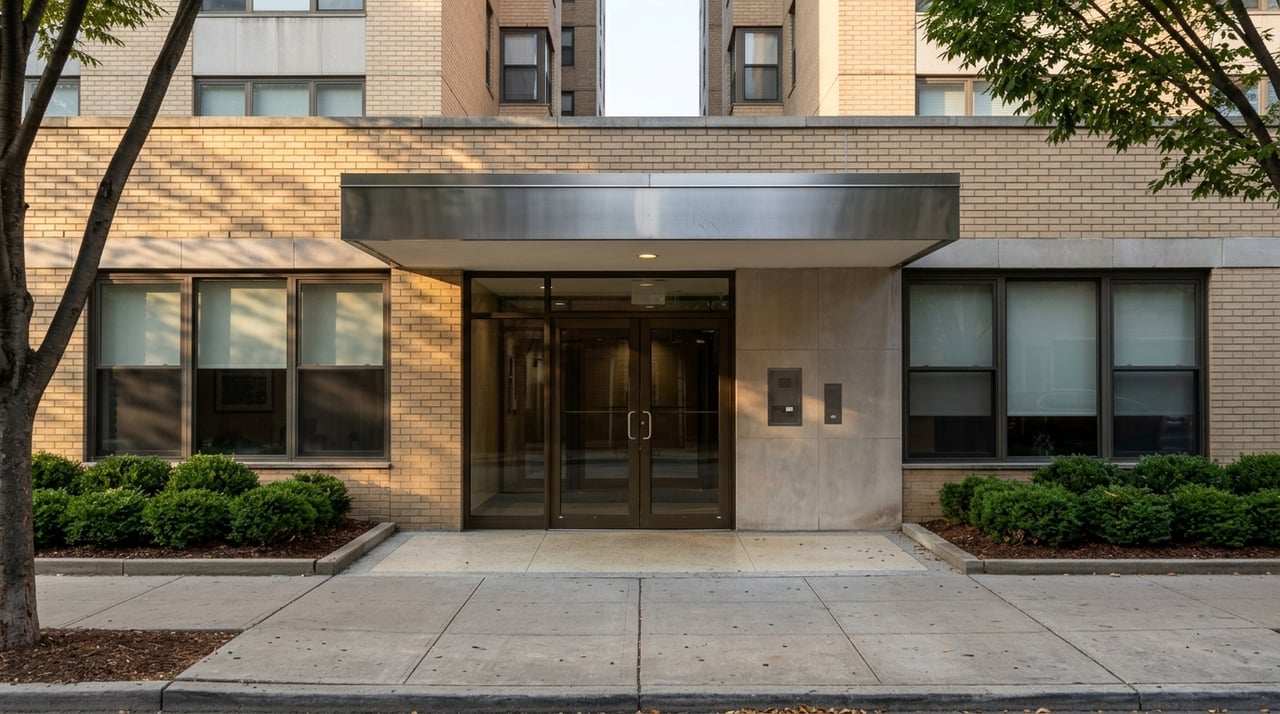
The neighborhood’s housing stock also explains why co-ops are such a big part of the market. NYC Planning says R8B districts are mapped on Upper East Side midblocks to preserve a scale similar to older apartment buildings in high-density neighborhoods. In practical terms, that lines up with the area’s many prewar co-ops and mid-rise buildings.
Why due diligence matters here
If you are buying your first home on the Upper East Side, expect a more document-heavy process than you may be used to as a renter. The New York State Attorney General advises buyers to read the full offering plan, consult an attorney before signing, and review board minutes and financial reports. Those materials can reveal defects, planned capital work, or expensive building-wide repairs.
This is one reason many first-time buyers benefit from a calm, numbers-focused approach. A beautiful apartment can still come with building issues that affect your monthly costs or future plans. Looking carefully at the paperwork helps you judge the apartment as a home and as a financial commitment.
A smart review process often includes questions like these:
- How do the monthly charges compare with similar buildings nearby?
- Are there signs of major building repairs or capital projects?
- Does the building’s ownership structure match your long-term plans?
- How does the apartment’s location within the neighborhood affect value?
Transit is a real advantage
Transit is one of the strongest reasons first-time buyers choose the Upper East Side. The MTA’s Q line stops at 72nd, 86th, and 96th Streets on the East Side. According to the MTA, the Second Avenue Subway extension created a one-seat ride from the Upper East Side to Times Square and Coney Island while easing crowding on the 4, 5, and 6 lines.
Crosstown travel is also supported by the M86-SBS and M96 buses. That matters if your daily routine includes moving east-west, not just commuting downtown. For many buyers, it means you can enjoy a residential neighborhood feel without giving up practical access to the rest of the city.
The neighborhood’s location also makes key destinations easy to reach. The Met notes that East Side riders can take the 4, 5, or 6 train to 86th Street and walk about three blocks west to Fifth Avenue in around 10 minutes. If you want regular access to Central Park and major cultural institutions, the Upper East Side makes that part of everyday life.
The tradeoffs to think through
No Manhattan neighborhood is perfect for every first-time buyer, and the Upper East Side is no exception. The biggest tradeoff is usually price. You are often paying more for location, neighborhood stability, park access, and an established residential setting.
You should also think carefully about the feel of different blocks and buildings. A home near Central Park may offer a different price point and light exposure than one farther east. StreetEasy’s note about long shadows from high-rises is a good example of why an in-person visit and block-by-block comparison matter.
For some buyers, Midtown East or Murray Hill may offer an easier financial entry point. But if your priorities include a classic Manhattan neighborhood, strong transit coverage, and a large supply of co-op and condo options, the Upper East Side often makes a strong long-term ownership case.
How to judge if it fits you
The Upper East Side can be a smart first-home choice if you are focused on more than just the lowest price. It may be a good fit if you want a neighborhood with established housing stock, reliable transit, and a setting that feels residential while still being connected.
It can be especially appealing if you plan to stay put for a while and want to buy with a long-term mindset. Because values and monthly costs can vary so much by pocket and building type, the best approach is to define your comfort zone clearly before you start touring.
When you compare options, focus on these three questions:
- What monthly cost feels sustainable for you?
- Which part of the Upper East Side gives you the best balance of price and lifestyle?
- Are you comfortable with the review and approval process that can come with co-op or condo ownership?
A first purchase in Manhattan is a big step, but it gets much more manageable when you break the decision into budget, building type, and day-to-day fit. If you want help thinking through Upper East Side co-ops, condos, and neighborhood tradeoffs with a calm, financially informed lens, connect with Bobby Rehani.
FAQs
Is the Upper East Side a good place for a first home in Manhattan?
- The Upper East Side can be a strong first-home choice if you want a residential feel, access to Central Park, strong transit, and a large supply of co-op and condo housing, but it is generally not the lowest-priced entry point in Manhattan.
What is the median sale price on the Upper East Side for buyers?
- StreetEasy currently shows a median sale price of $1.2 million for the Upper East Side, though actual pricing can vary significantly by subarea and building type.
Are Upper East Side apartments mostly co-ops or condos?
- First-time buyers on the Upper East Side will mostly encounter co-ops and condos, with many prewar co-ops and mid-rise apartment buildings shaping the neighborhood’s housing stock.
How does Upper East Side transit work for daily commuting?
- The neighborhood is served by the Q train at 72nd, 86th, and 96th Streets, the 4, 5, and 6 lines, plus crosstown routes like the M86-SBS and M96 buses.
What should first-time buyers review before buying an Upper East Side co-op or condo?
- The New York State Attorney General advises buyers to read the full offering plan, consult an attorney before signing, and review board minutes and financial reports to spot possible defects or costly building-wide repairs.
Are all parts of the Upper East Side priced the same for homebuyers?
- No, pricing varies widely within the neighborhood, with StreetEasy showing notable differences in average price per square foot across areas like Yorkville, Upper Carnegie Hill, and Carnegie Hill.