Thinking about trading city density for a little more space, a different pace, or an easier fit for your next chapter? If Westchester County is on your radar, you are not alone, especially if you already know New York well and want to stay connected to the city while changing how you live day to day. The key is knowing that Westchester is not one uniform market. It is a collection of distinct towns, villages, and cities with different housing options, price points, and commute patterns. This guide will help you think through the move with more clarity and confidence. Let’s dive in.
Why Westchester draws NYC movers
Westchester County sits just north of New York City, covers about 450 square miles, and is home to nearly one million people. For many movers, that creates an appealing middle ground: you can stay tied to the region while gaining access to a broader range of housing and living environments.
One of the biggest things to understand upfront is that Westchester includes both more urban centers and quieter, more rural areas. County guidance also notes that towns, villages, and cities control their own zoning and site-plan rules. In practical terms, that means your experience can vary significantly depending on where you land.
Think in submarkets, not one county
If you are used to Manhattan, this may feel familiar. Just as one Manhattan neighborhood does not tell you everything about another, one Westchester municipality does not define the whole county.
That matters for both lifestyle and budget. Countywide benchmarks are useful, but they do not tell the full story of what you will find in a specific community or building.
Westchester prices vary widely
Recent county indicators show a median owner-occupied home value of $663,200. New York State Tax Department data shows a 2025 median residential sale price of $925,000 for non-condominium arm’s-length sales in Westchester.
Those are meaningful planning numbers, but they are not a single answer for every buyer. Town-level values vary widely, with examples such as Ossining at $552,900, Eastchester at $806,300, Harrison at $1,010,700, and Mamaroneck at $1,076,700.
The takeaway is simple: when you say you want to move to Westchester, the next question should be which part of Westchester? Your commute, housing type, and monthly cost picture can look very different from one area to another.
Housing options are broader than many buyers expect
A common mistake is assuming Westchester means one housing type and one lifestyle. In reality, the county has a wide mix of homes and ownership structures.
Planning data based on the 2017 to 2021 American Community Survey shows single-family detached homes make up 44% of the housing stock. At the same time, buildings with 20 or more units account for 24%, which shows there is also meaningful multifamily inventory.
Ownership types matter
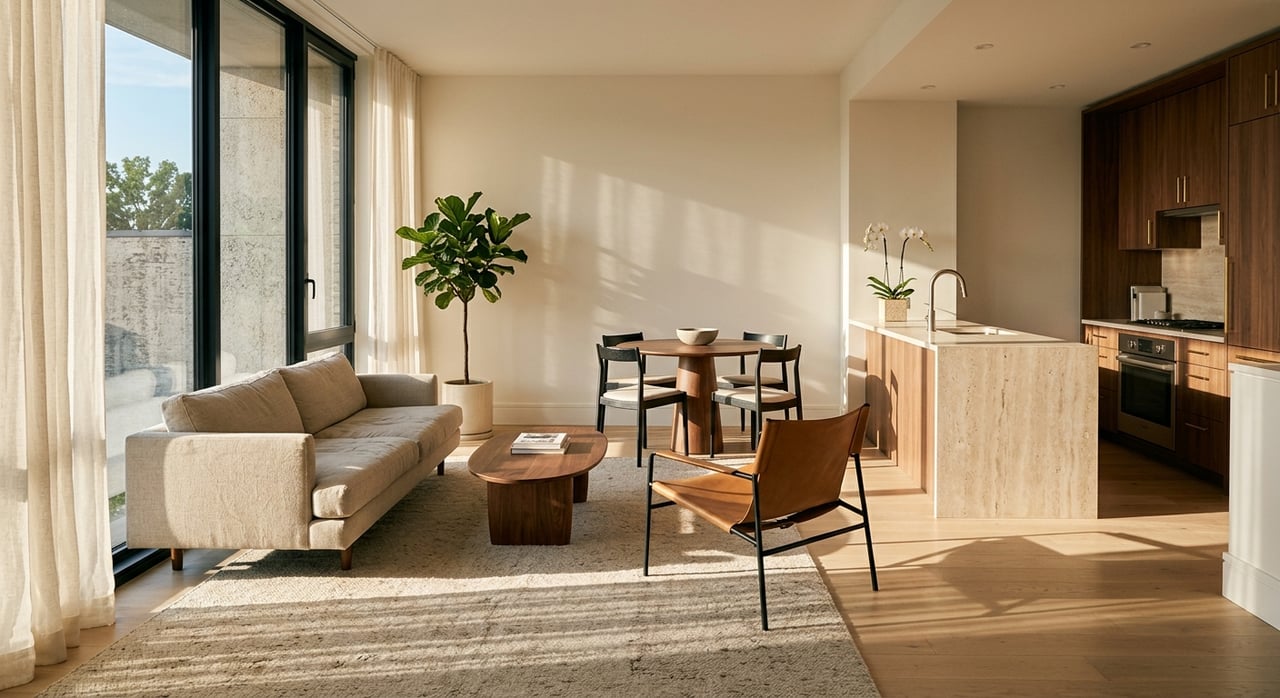
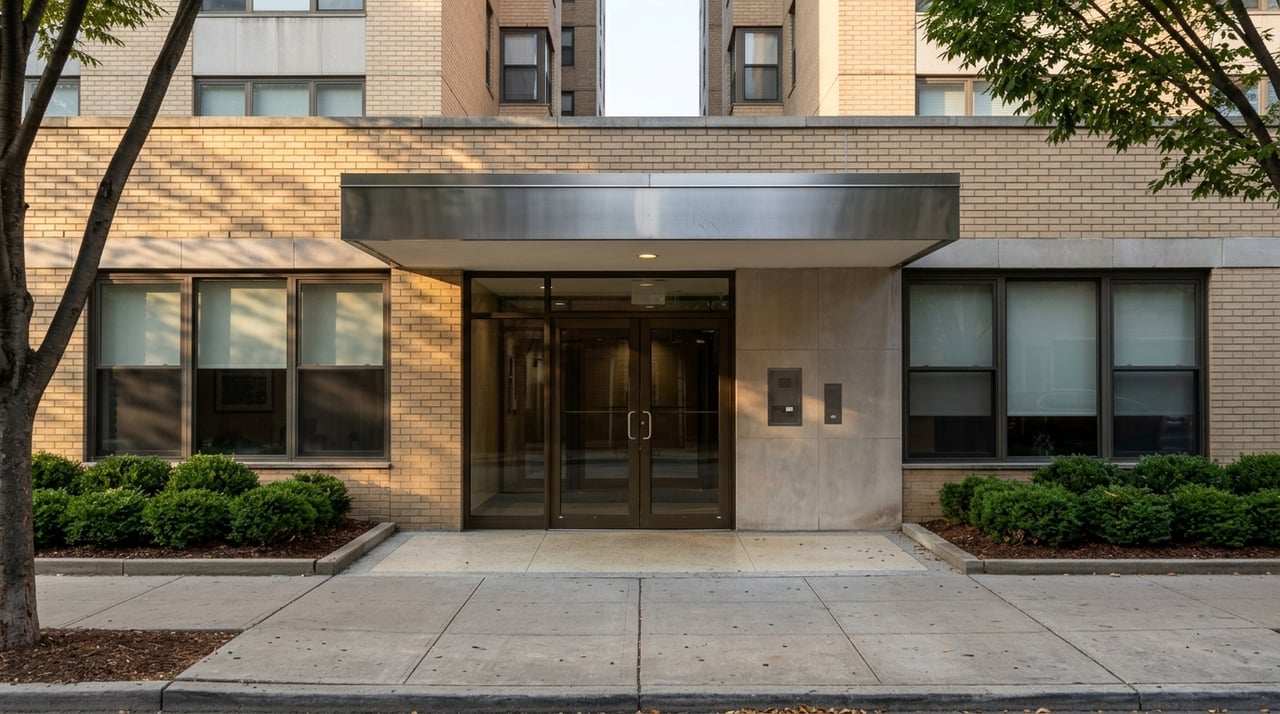
Westchester housing guidance distinguishes among fee-simple homes, condominiums, cooperatives, townhouse units, and duplexes. That distinction matters because your ownership experience changes depending on what you buy.
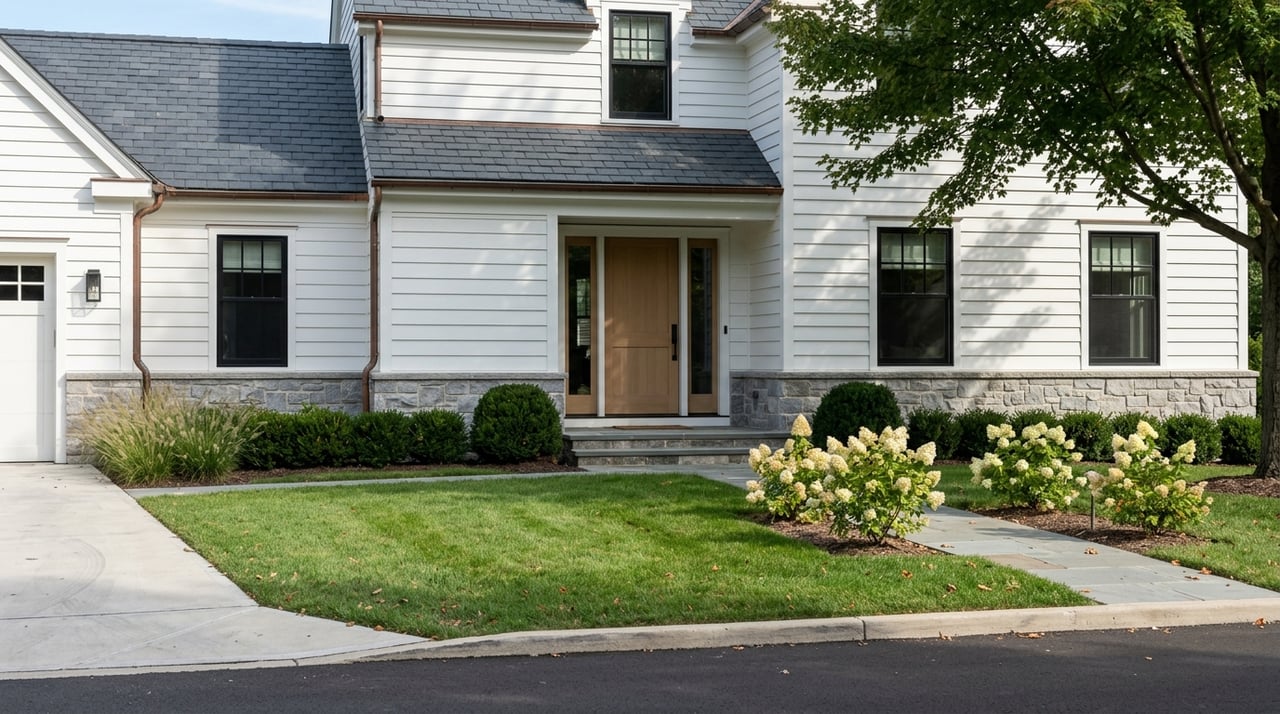
For example, condos and co-ops commonly come with boards or associations and monthly common charges or maintenance charges. A fee-simple home usually gives you more direct control, but it also puts more of the exterior maintenance burden on you.
If you are coming from Manhattan, that tradeoff can be especially important. You may be used to building systems, staff, or shared maintenance structures, and moving north could mean taking on more direct responsibility for upkeep.
Styles can change town by town
You may also see a wide range of built forms across the county. Local planning documents reference examples such as Craftsman and bungalow homes, center-hall and side-hall colonials, Cape Cods, ranches, raised ranches, split-levels, and Tudor or Dutch Colonial Revival homes.
The important point is not to memorize architectural labels. It is to recognize that Westchester does not present one standard suburban product. Your search may include everything from apartment-style living to detached homes with very different layouts and maintenance profiles.
Commute planning should be specific
For many NYC buyers, the commute is where Westchester either works beautifully or stops making sense. The county has a strong transit network, but convenience depends heavily on the exact station, line, and time of travel.
Westchester planning materials describe a long history of residents commuting to New York City. They also identify Metro-North as having 43 stations in the county across three rail lines, along with the Bee-Line bus system, which is the second-largest bus system in New York State after NYC Transit.
Know the three Metro-North lines
The current Metro-North system serving Westchester includes the Hudson, Harlem, and New Haven lines. Westchester stops include places such as Yonkers, Dobbs Ferry, Irvington, Tarrytown, Ossining, and Peekskill on the Hudson line; Bronxville, Scarsdale, White Plains, and North White Plains on the Harlem line; and New Rochelle, Mamaroneck, Harrison, Rye, and Port Chester on the New Haven line.
That means your search can be narrowed not just by town, but by line and station. If your work, family, or lifestyle depends on regular trips into the city, station choice may deserve as much attention as the home itself.
Service frequency can shape your routine
Metro-North guidance shows that many segments offer peak service every 25 to 30 minutes, with many off-peak segments around every 60 minutes. Some outer segments may see 60 to 120 minute weekend service.
That is why commute planning should go beyond asking whether a town has a train station. You should think about whether you need rush-hour reliability, off-peak flexibility, or easier weekend access.
Bee-Line can help with first and last mile needs
Bee-Line also connects with New York City buses and subways as well as other regional transit operators. For some households, that can help reduce car dependence or make station access easier.
This can be especially useful if you want more options for getting to and from rail service without making every trip car-dependent. In a county as varied as Westchester, those details can have a real impact on daily life.
Budget beyond the purchase price
A move from Manhattan to Westchester often changes your cost structure, not just your address. Looking only at asking price can lead to an incomplete picture.
For planning purposes, Westchester’s median monthly owner costs with a mortgage are $4,000. The Census definition of selected monthly owner costs is broad and includes mortgage payments, real estate taxes, insurance, utilities, fuels, and, where applicable, condo or HOA fees.
That means a monthly housing budget should account for more than principal and interest. If you are comparing a condo, co-op, townhouse, or detached home, the monthly picture may shift quite a bit even when headline purchase prices seem comparable.
A practical budgeting lens
As you compare homes, it helps to break costs into categories:
- Purchase price
- Monthly mortgage payment
- Real estate taxes
- Insurance
- Utilities and fuel
- Common charges, maintenance, or HOA fees if applicable
- Exterior maintenance and repair responsibilities
This kind of side-by-side review can make a move feel much easier to evaluate. It also helps you compare Westchester options more accurately against what you are spending now in the city.
Plan your move timeline carefully
If your Westchester move depends on selling a current home or lining up the end of a lease, timing becomes part of the strategy. A well-timed move can lower stress and reduce the chance of rushed decisions.
Consumer guidance in the research notes that people often try to sell their current home before buying another one. It also notes that sellers frequently require a preapproval letter and that preapproval letters often expire in 30 to 60 days.
Questions to ask early
Before you get too far into the search, it helps to answer a few practical questions:
- How long will your preapproval remain valid?
- Should you compare at least three lenders before choosing one?
- If you buy before you sell, can your lender document both homes and any bridge financing together?
- What closing window fits your current lease end or sale timeline?
- Will you need temporary housing or a rent-back period?
- Which financial documents should you gather early?
These are not small details. They often shape how confidently you can act when the right property appears.
How to narrow your Westchester search
With so many moving parts, the best first step is usually not touring everything. It is getting clearer on your decision filters.
Start with your top three priorities
Ask yourself which of these matter most:
- Commute pattern and transit access
- Housing type and maintenance level
- Monthly budget comfort
- Need for more space or different layout
- Preference for a denser downtown setting or a quieter environment
Once those priorities are clear, your search becomes more focused. Instead of looking at Westchester as one giant option set, you can evaluate the places that fit your actual day-to-day life.
Why guidance matters in a city-to-suburb move
A Westchester move often looks straightforward on paper, but the decision points can be more nuanced than expected. You may be comparing co-ops or condos to fee-simple homes, balancing station access against price, or trying to line up a sale, a lease, and a purchase at once.
That is where an advisor’s perspective can help. If you are coming from Manhattan, it is useful to work with someone who understands how city buyers think about carrying costs, building structures, timing, and tradeoffs, while helping you translate those priorities into a suburban search.
If you are considering a move to Westchester County and want a thoughtful, financially clear strategy for your next step, Bobby Rehani can help you think through the options with the calm, informed guidance that makes complex moves feel more manageable.
FAQs
What should you know before moving to Westchester County?
- You should know that Westchester is not one uniform market. Housing types, prices, and commute patterns vary significantly by town, village, city, and train line.
How expensive is housing in Westchester County?
- County benchmarks are substantial, with a median owner-occupied value of $663,200, median monthly owner costs with a mortgage of $4,000, and a 2025 median residential sale price of $925,000 for non-condominium arm’s-length sales. Specific municipalities can vary widely from those figures.
What housing types can you find in Westchester County?
- You can find fee-simple homes, condominiums, cooperatives, townhouse units, duplexes, detached single-family homes, and multifamily apartment-style housing.
How does commuting from Westchester County to New York City work?
- Commuting often centers on Metro-North’s Hudson, Harlem, and New Haven lines, with 43 stations in Westchester, plus Bee-Line bus connections that can help with first- and last-mile access.
Why does the exact Westchester town matter when buying a home?
- The exact municipality matters because local zoning and site-plan rules are controlled by towns, villages, and cities, and because price points, housing stock, and transit access can differ significantly from one submarket to another.
What costs should you budget for when buying in Westchester County?
- You should budget for more than the mortgage payment alone, including real estate taxes, insurance, utilities, fuels, and any condo, co-op, or HOA-related monthly charges where applicable.